|
Industrial Narrow Gauge Railways
|
The Springfield Agricultural Railway
(click on photos to enlarge, it will open in new window)
|
Locomotives
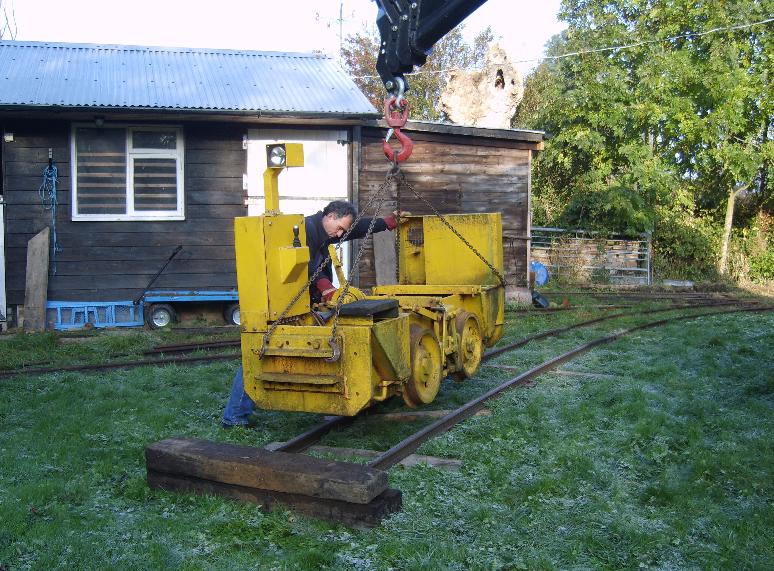
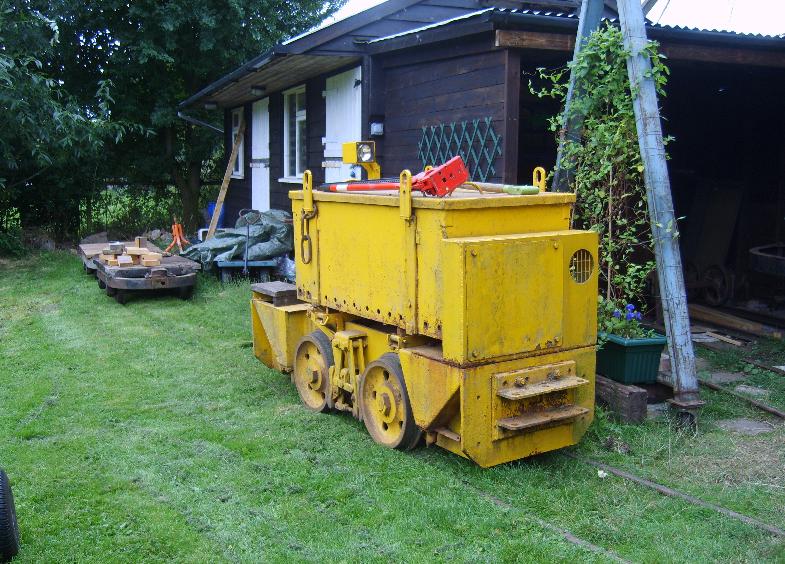
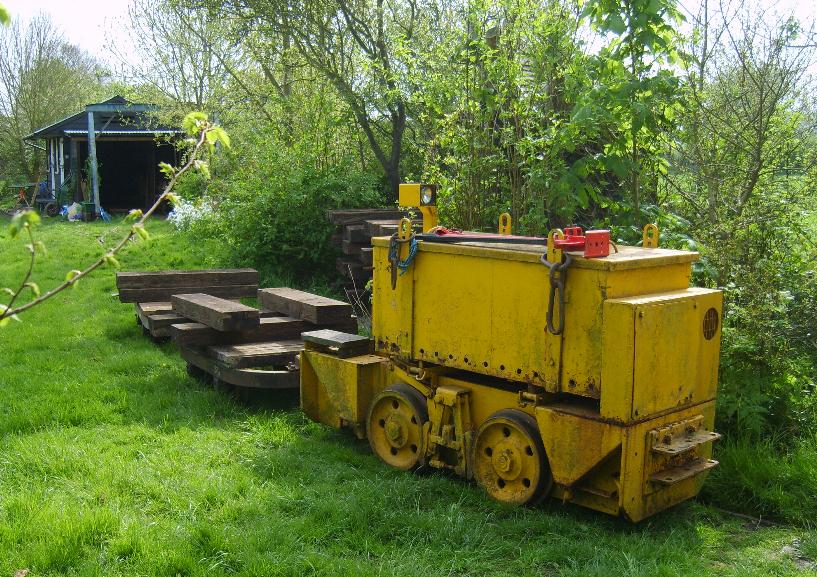
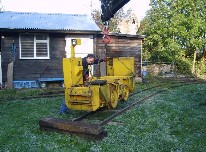
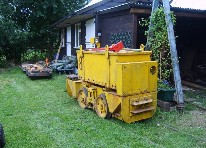
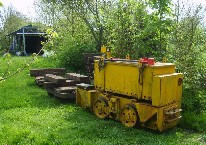
Battery loco Wingrove and Rogers No.3557 (type W227) built 1946.
This loco had been working in the Force Crag Barytes Mine in the the Lake District. Force Crag was one of the last mines in operation in that area. The loco was obtained in October 2007 after being stored in the open for a year or more.
It was the first working loco on the railway and from March 2007 was in use regularly to move track materials and also fencing supplies as work progressed. Since the first phase of track laying finished in June 2008 it continues to be reliable and the first choice of loco for managing most of the work.
|
|
|
|
Date: October 2007
|
Date: August 2008
|
Date: April 2008
|
|
On delivery, a short spur was laid off from the loco shed to allow the hi-ab lorry to offload straight onto the track. At this time there was only a few yards of track to the front of the shed. Even after all the time in the open, there was still charge in the battery and the loco moved off under its own power.
|
After a couple of trips one weekend in August the loco is parked in the siding next to the shed. A basic farm jack tends to be carried on top of the battery box in case of the occasional derailment.
|
One of one the many trips from the stockpile of sleepers to the end of the line, which allowed further sessions of tracklaying.
|
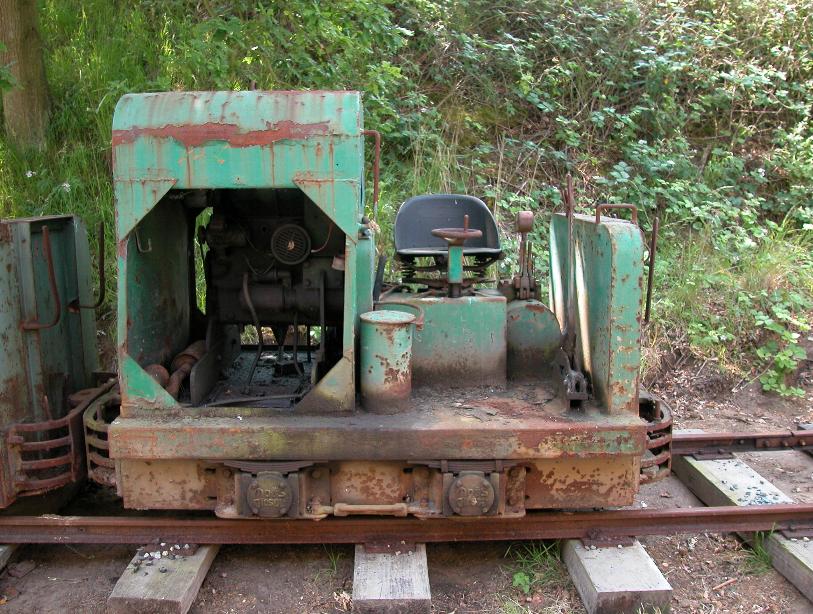
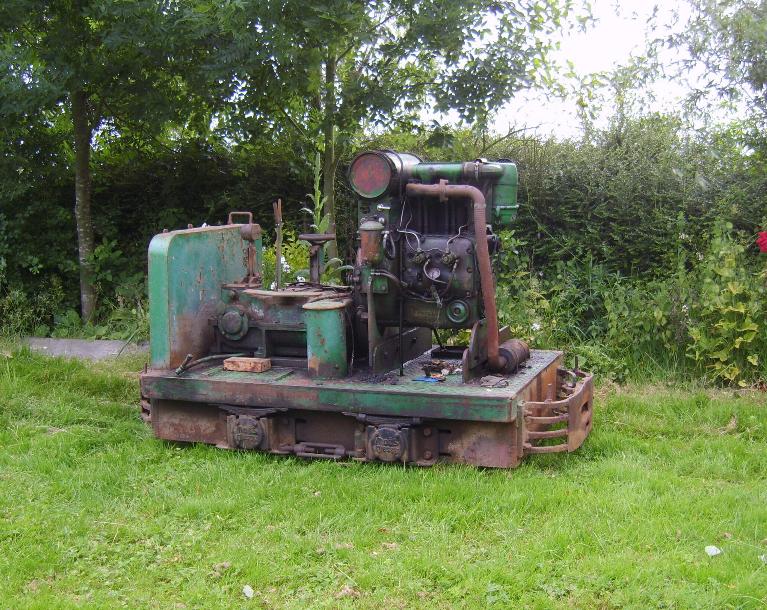
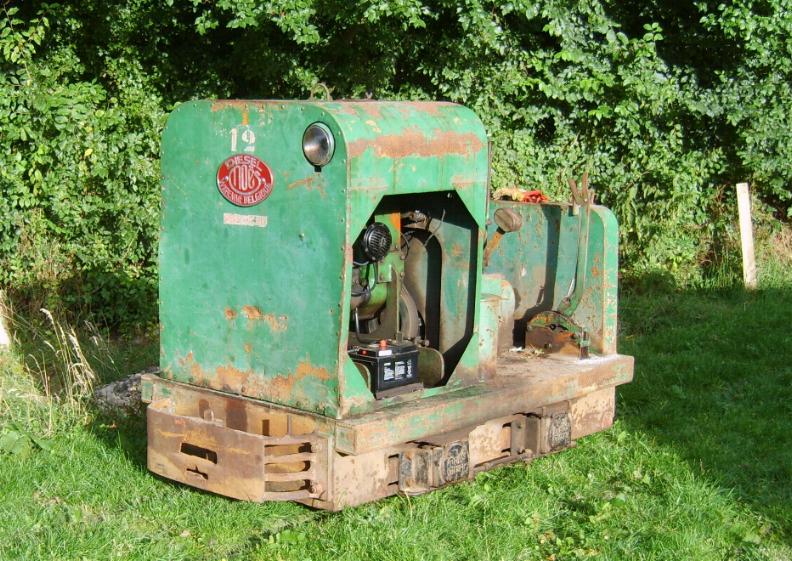
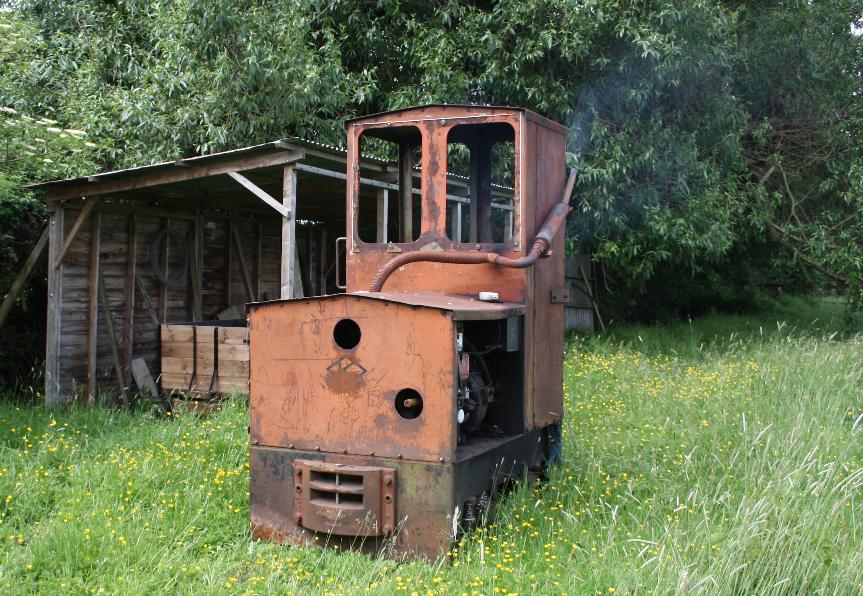
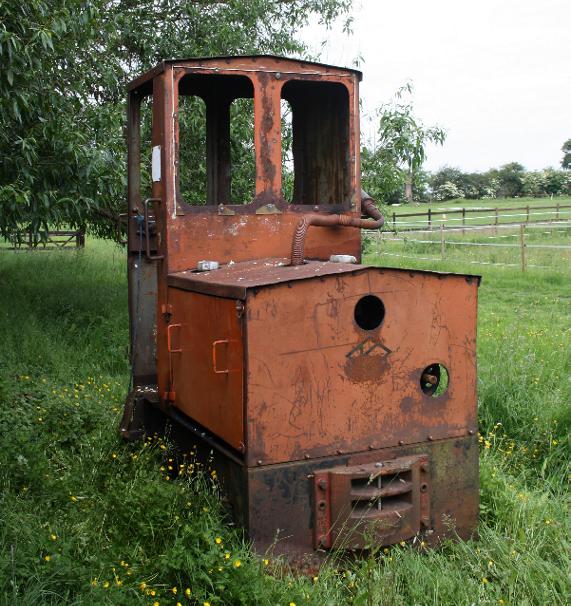
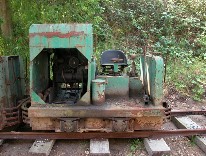
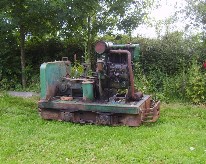
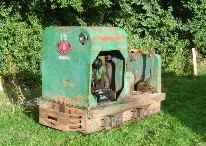
No.12, Moës 4wDM 22hp (Deutz F2L 812 2 cylinder engine) build date unknown
This was one of 8 Moës locos imported into this country by Roger Craven. All the locos had previously worked at the Rumst Brickworks in Belgium. This loco was purchased from roger in September 2006 after being regauged from 750mm to 2ft. Initially it was stored at a farm pending a move to the current location.
All the locos imported had been out of use for a number of years and the overall mechanical condition was unknown. It was only in June 2007 that it was finally moved undercover to the loco shed and work begun to fully service the loco.
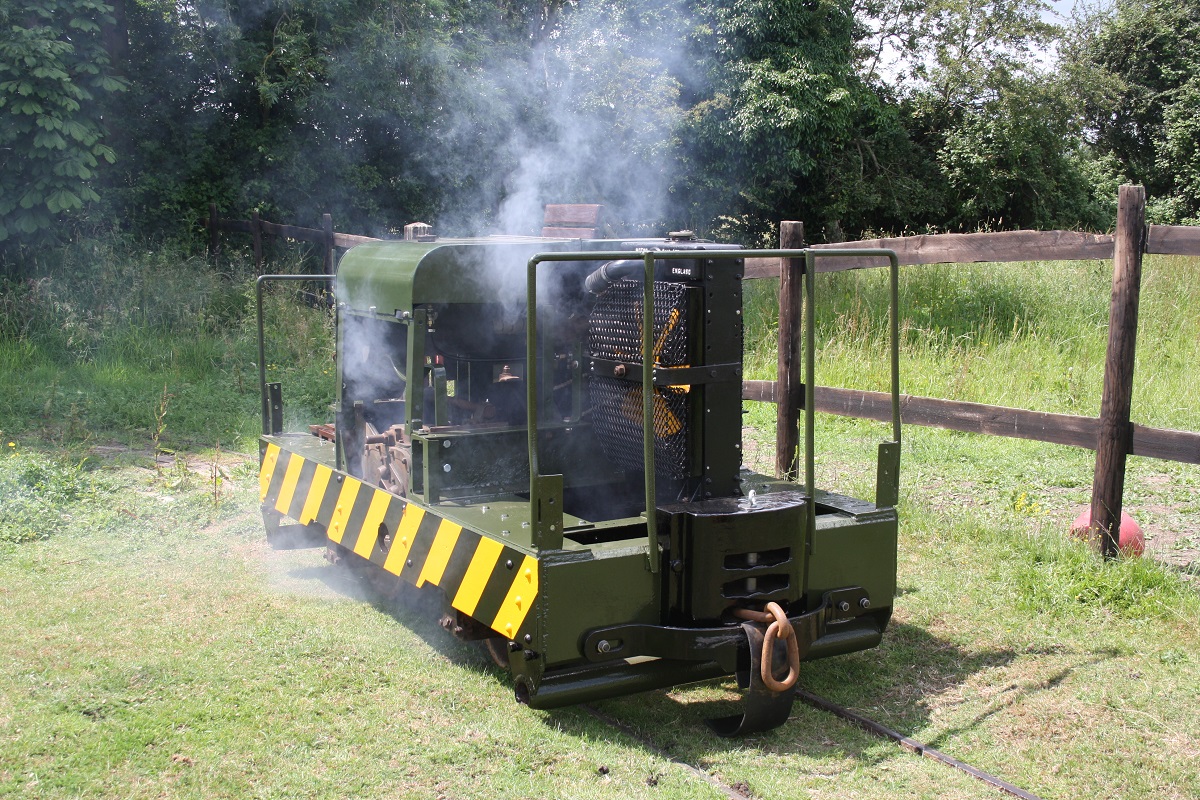
After considerable cleaning up and obtaining new glow plugs, new fuel and oil filters, cleaning injecters and then fully rewired, loco finally turned over for the first time in many years in June 2008. Since this date it has continued to be an easy starter, and a very useful loco.
|
|
|
|
Date: July 2006
|
Date: June 2008
|
Date: August 2008
|
|
No.12 seen on a short temporary track at Roger Craven's yard. Shortly after this date it was taken inside to to have the wheels dropped and exchanged with one of the 600mm locos.
|
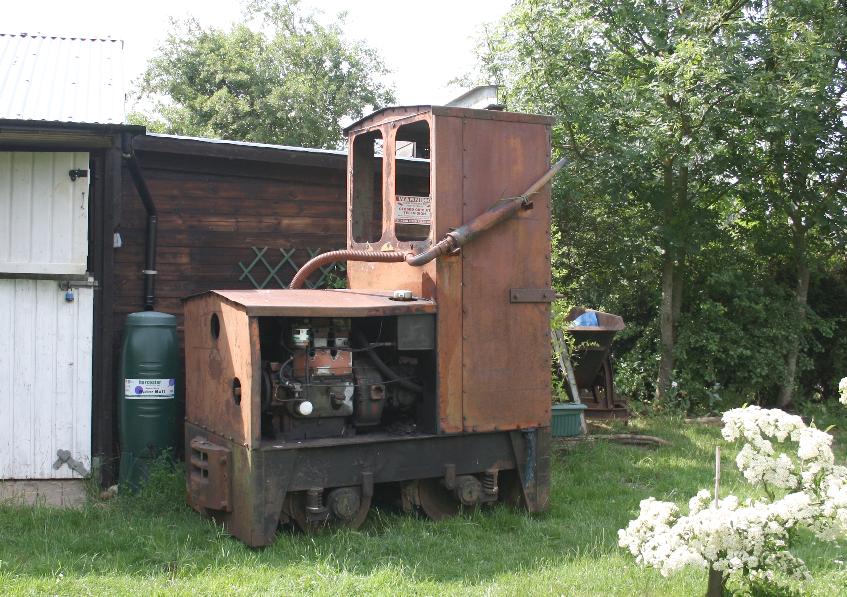
After numerous attempts at getting the loco to turn over it finally fired up successfully in June 2008. The loco is seen here turning over for the first time outside the loco shed. After this, the loco was rewired and the engine cover replaced, and was in use a month later.
|
By August the loco had aquired a replacement Moës works plate. The lights still needed replacing and rewiring, which has now been completed, but the loco will remain in near original condition, while the second Moës is fully restored.
|
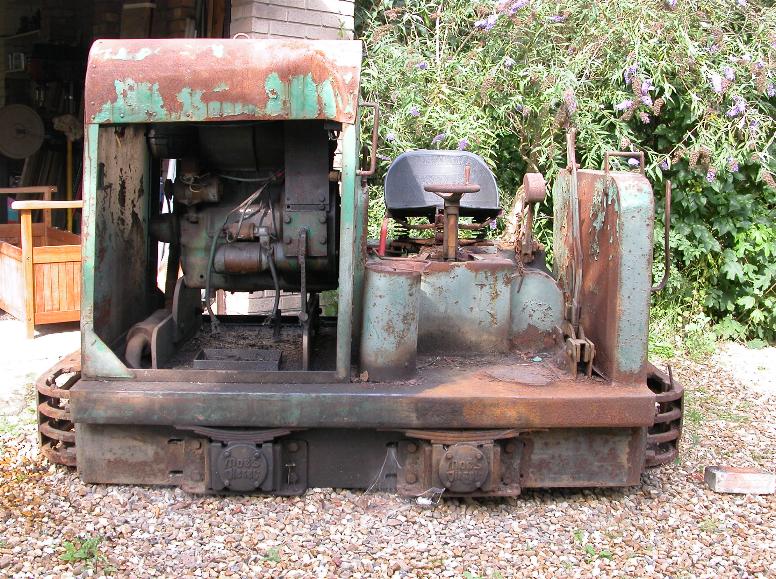
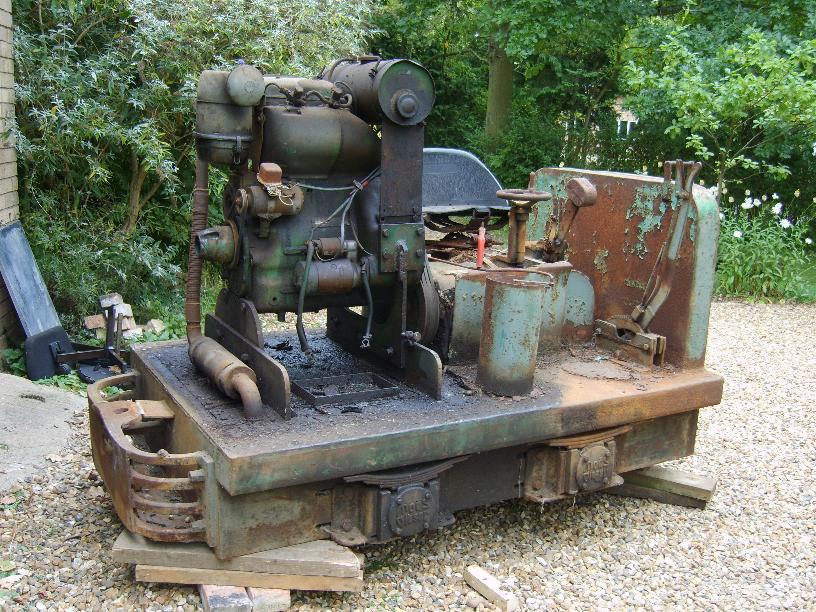
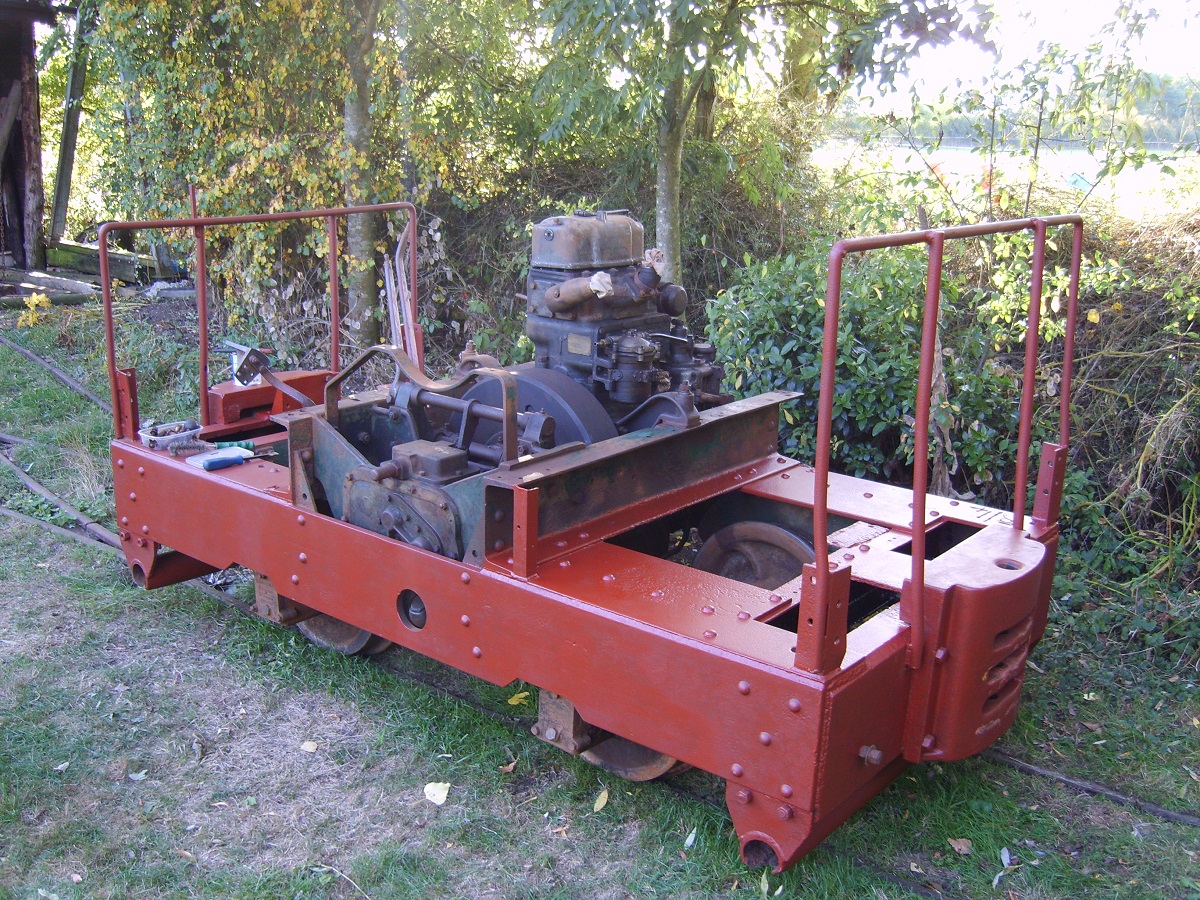
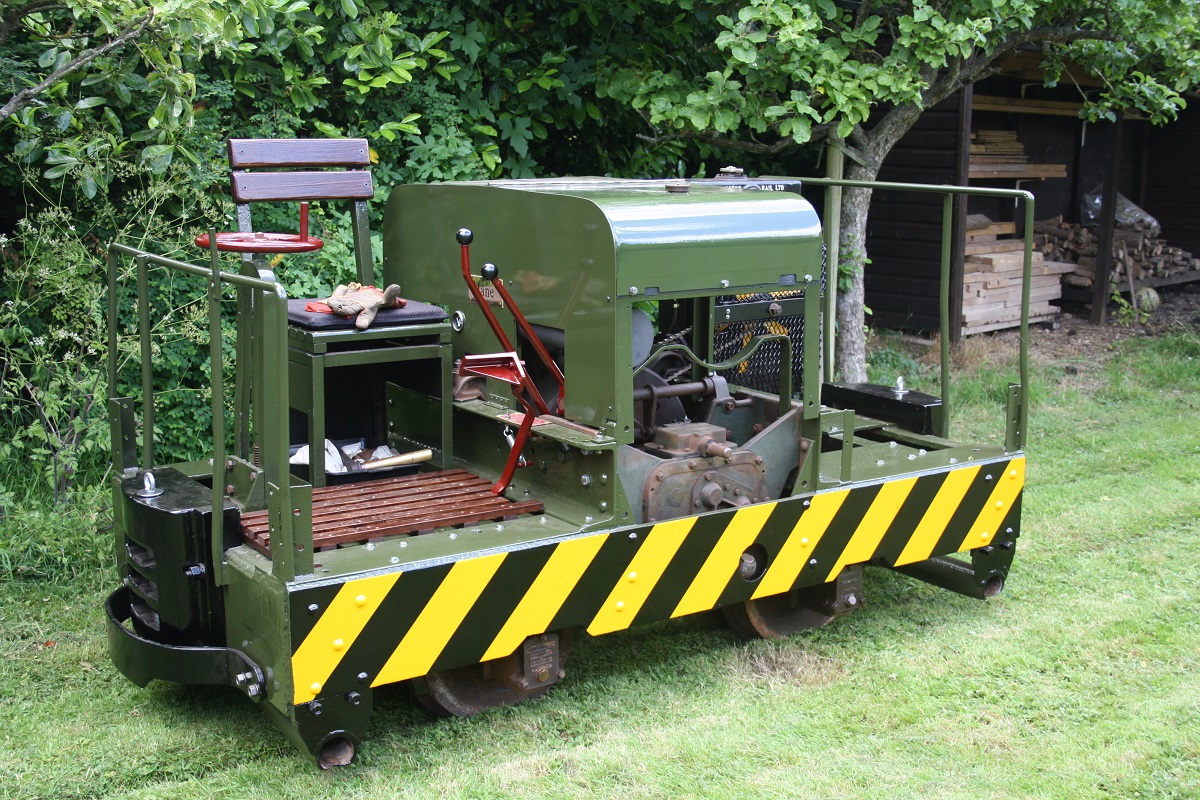
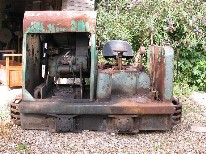
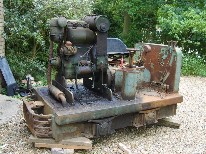
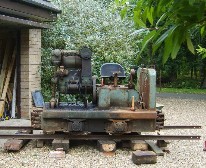
No.10, Moës 4wDM 22hp (Deutz F2L 712 2 cylinder engine) build date unknown
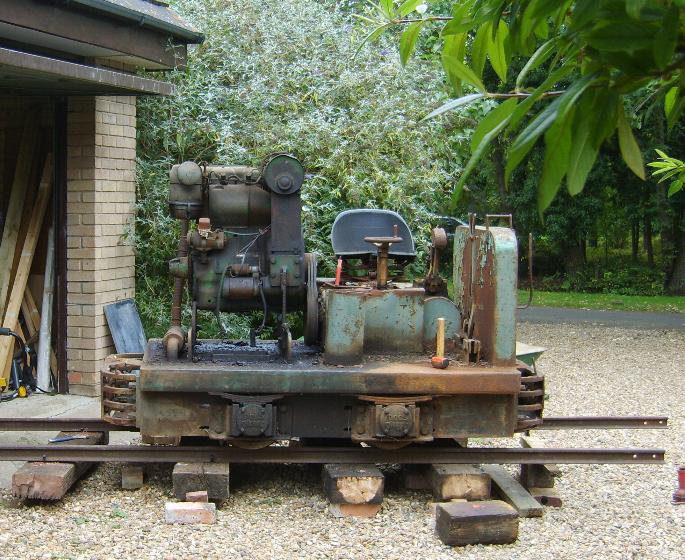
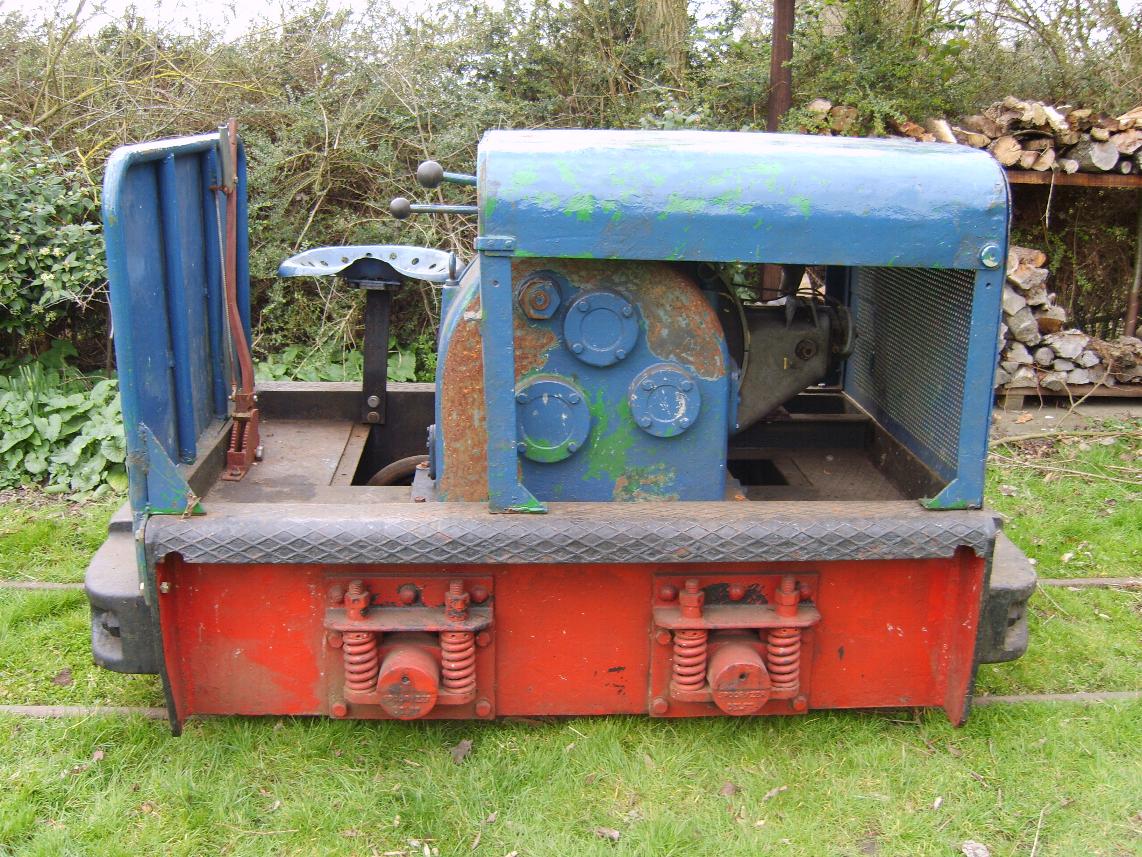
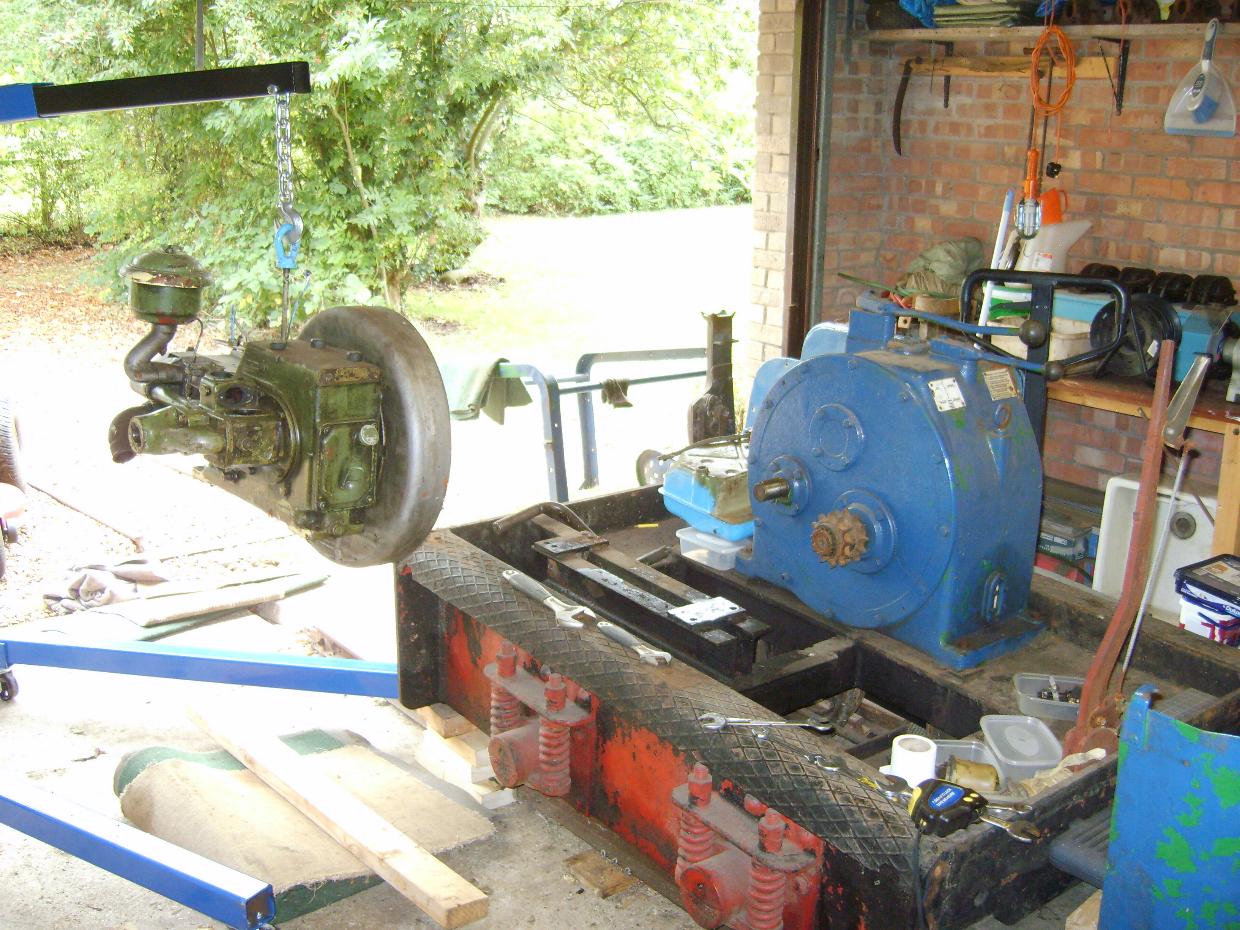
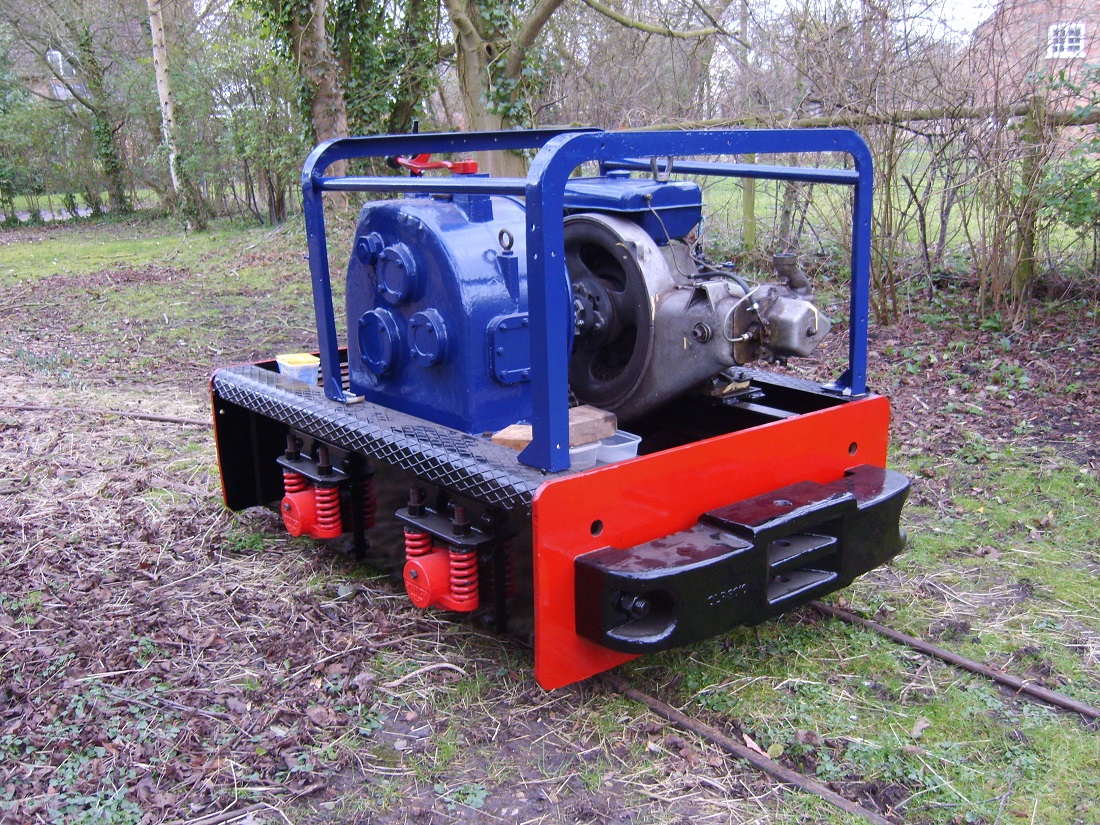
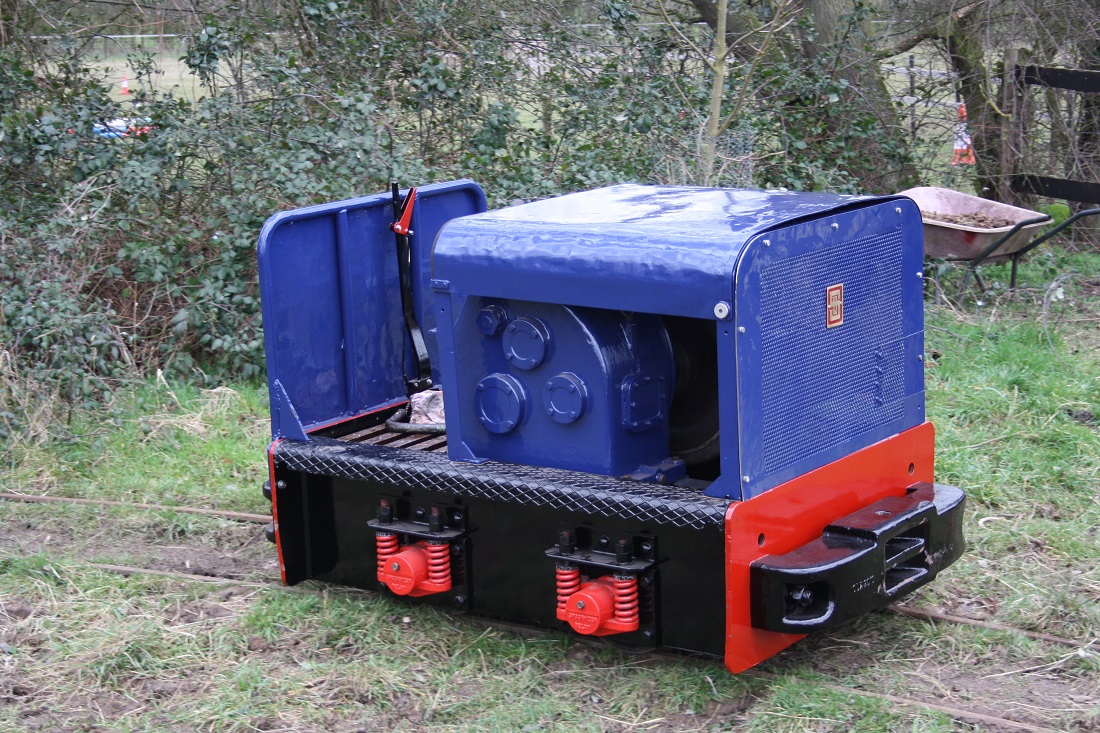
Obtained sometime after the first Moës,this loco spent time under a tarpaulin outside the garage. In September 2007 it was moved into the garage as a project to start once the first stage of the railway had been built and the first loco was back in use.
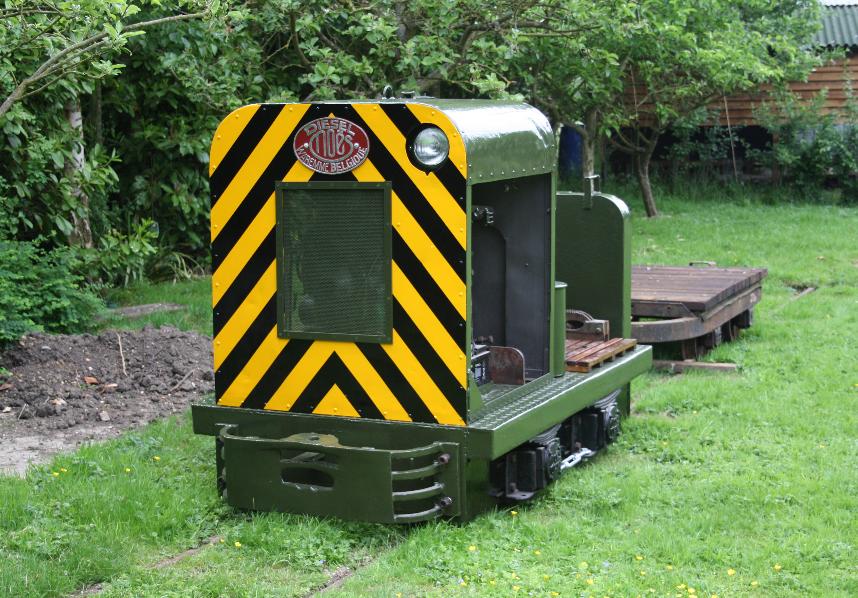
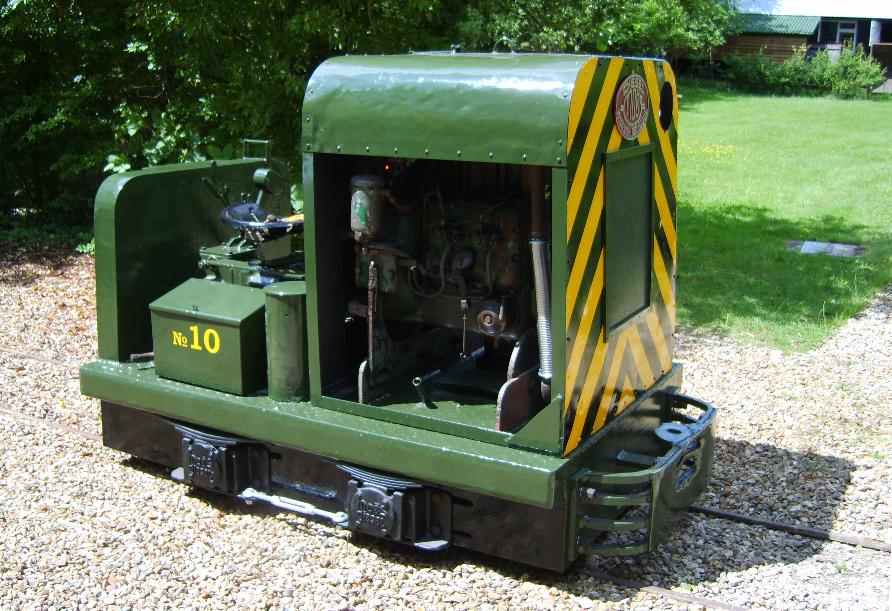
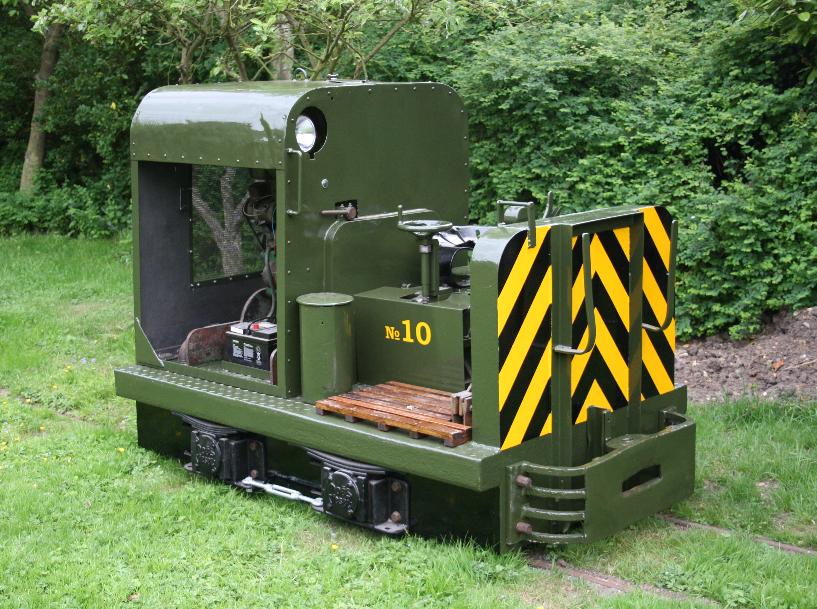
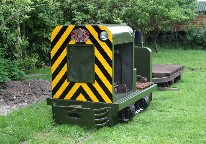
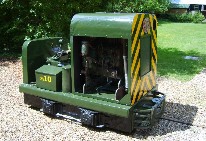
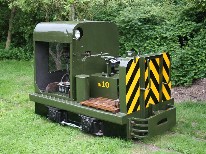
In 2009 initial work was started on the loco, with a lot of cleaning up required, old oil and fuel draining out, new fuel and oil filters, injecters cleaned up, new glow plugs fitted, etc. Most fittings were taken off and sanded down, and the frame sanded to bare metal. The wheels were dropped and regauged from 750mm to 2ft gauge By Alan Keef Ltd. The brake gear required machining to fit the new gauge, and some fittings had to be made from scratch as the originals were so corroded. The many coats of primer, undercoat, and topcoat were applied over mnay months, and finally the engine was started for the first time. In May 2010 once the track was laid into the workshop, the loco ran on the mainline under its own power, and joined up with the othe Moës for the first time in over 3 years.
|
|
|
|
Date: August 2007
|
Date: September 2007
|
Date: September 2007
|
|
With the tarpaulin off, the loco is sitting on the gravel in the driveway where it had been since delivery.
|
Once the loco had been turned round and jacked up, it had the engine cover removed ready to be pushed into the garage.
|
Temporary tracks were built under the loco and it was moved the few feet into the garage, where restoration work was able to be completed.
|
|
|
|
|
Date: September 2010
|
Date: June 2010
|
Date: June 2010
|
|
The front of the loco has been finished with wasp warning strips of Craftmaster Truck Yellow and black, with a new cut-out for the grille.
|
No.10 Seen here outside the garage workshops.
|
The loco had been a reliable performer, with the Deutz engine always starting on the glow plugs. After several years of good service, this loco left the line on the 24th November 2017 for it's new home in Yorkshire.
|
No.7, Alan Keef 9 (Lister 3 Cylinder ST3 Engine) build date 1982
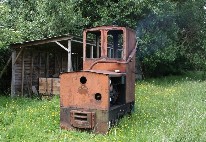
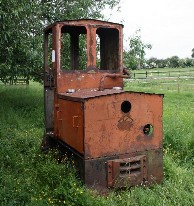
This loco had been working last on the peat moors in Ireland for Midland Irish Peat. In the last few years it had been laid up at the works surplus to requirements. It was purchased along with a Motor Rail and imported to England. It finally arrived at Springfield on the 11th June 2010.
The loco was in full working order but with some minor work requred to the electrics and to the exhaust. However, it was finally decided that this loco was was too tall for operations at Springfield, and has since left the site (in Jan 2011).
|
|
|
|
Date: June 2010
|
Date: June 2010
|
Date: June 2010
|
|
On the first run up the line, a certain amount of clearance was needed to the over hanging trees to allow the loco to pass.
|
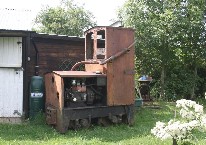
The loco had been built with a full height cab to allow driving the loco standing up. The total height of the loco is 8ft.
|
Standing next to the loco shed the rather rough and ready fixing of the exhaust can be seen. The brackets on the side of the cab were ground off, and the silencer repositioned more neatly infront of the cab. The loco left site on the 9th January 2011 for it's new home on the Leemspoor Narrow Gauge Museum in the Netherlands.
|
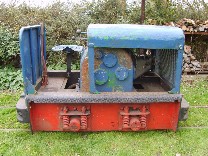
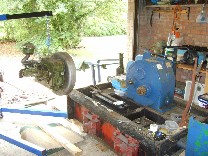
Spoorijzer Railtractor RT8 (No.112 built 1952)
This loco arrived as part of an exchange deal with the Leemspoor NG Museum in the Netherlands.
the loco was one of 3 Spoorijzer locos in their collection and was surplus to their needs. At a weight of just 1.5 tonnes, it was considered an ideal size for use at Springfield.
|
|
|
|
Date: January 2011
|
Date: October 2011
|
Date: September 2012
|
|
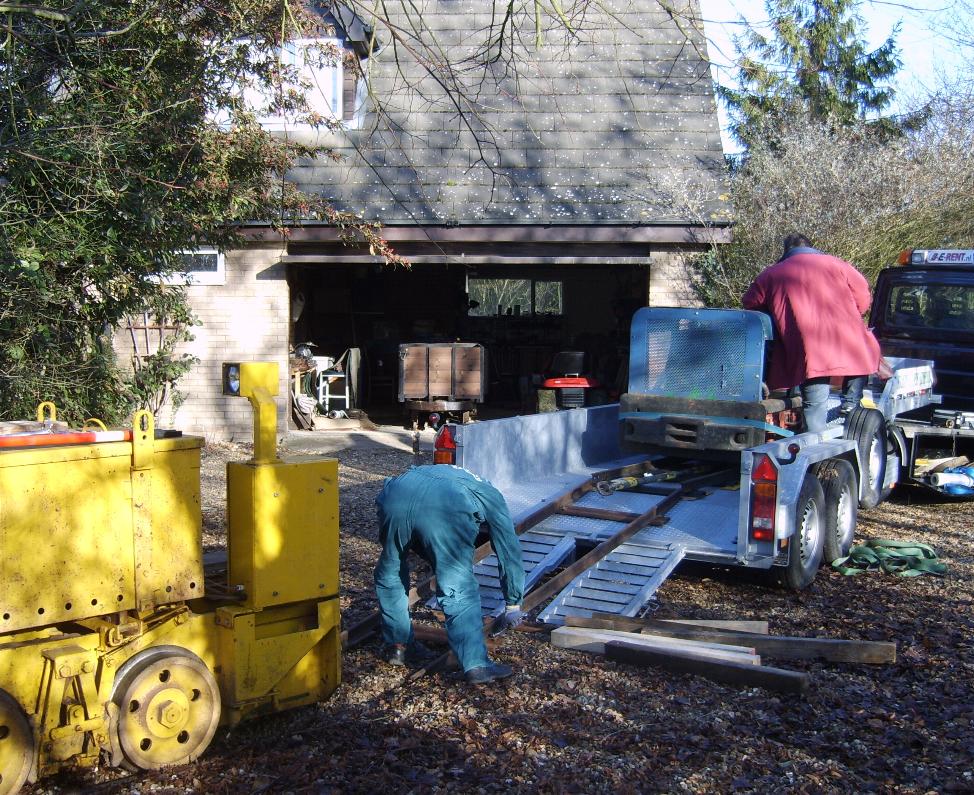
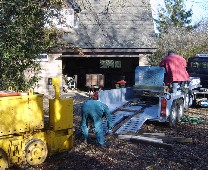
The loco arrived on a self drive trailer from Holland and was unloaded directly onto the railway with no problems. The Alan Keef loco left on the return trip and was more of a challenge to load.
|
In October 2011 the loco is seen outside just prior to moving into the workshop to sort out several issues, primarily a faulty fuel pump. The pump was eventually removed and returned to Leemspoor to correct the issue which was returned in due course.
|
The engine was reunited with the loco waiting for the pump. In theory it just required new drive chains and flexible gearbox connector to allow this loco to be put back into use.
|
|
|
|
|
Date: February 2014
|
Date: February 2014
|
Date: March 2014
|
|
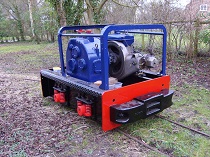
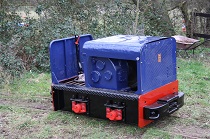
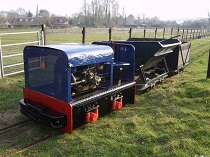
The decision was finally made to take the loco apart and completely strip off the many layers of poorly applied old paint and fully repaint the loco. It then took until Feb 2014 to get to the stage above, including sorting the pump out, fabricating a flexible connector for the gearbox, new drive chains, refitting the brakes, and finally being able to turn it over.
|
On the 23rd of February it finally rolled out of the workshops, ready for work. Although only 1.5 tonnes, it is surprising how well it can cope with the gradients (with a little sand on the rails!).
|
The Faryman engine in the Spoorijzer is easy to start in the warm weather, just taking 1-2 turns with the starting handle to fire it up.
|
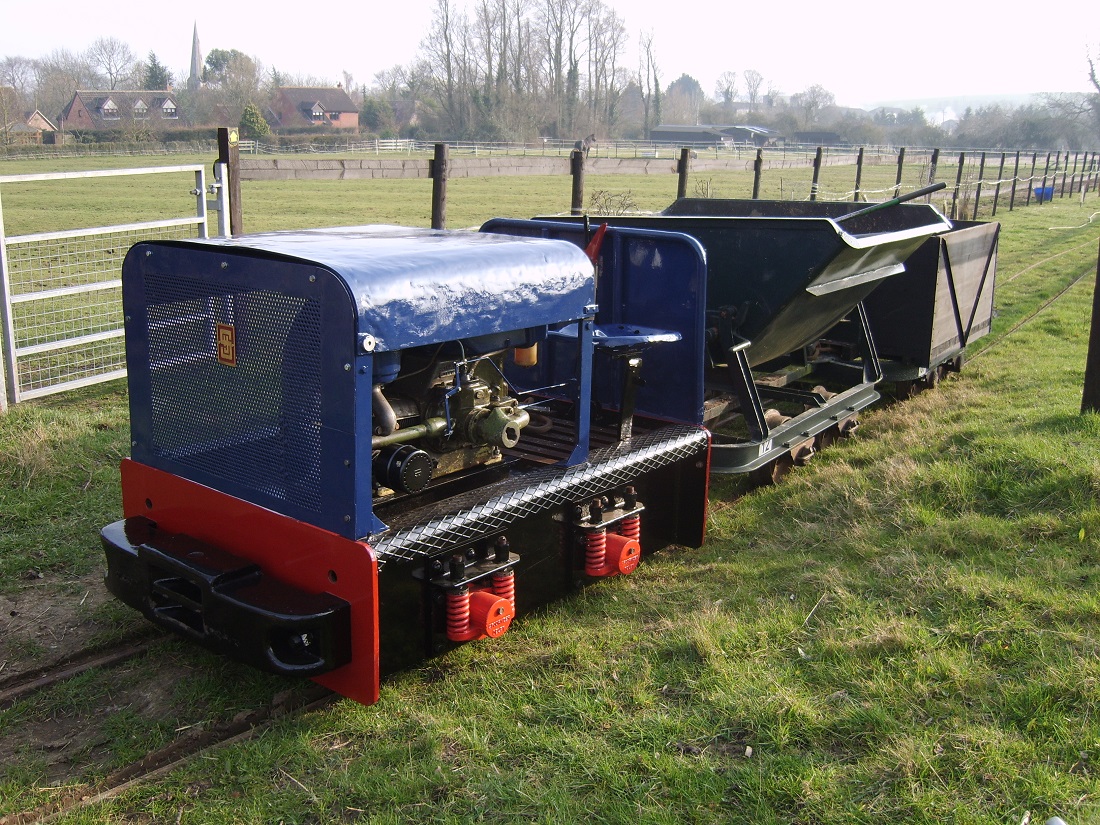
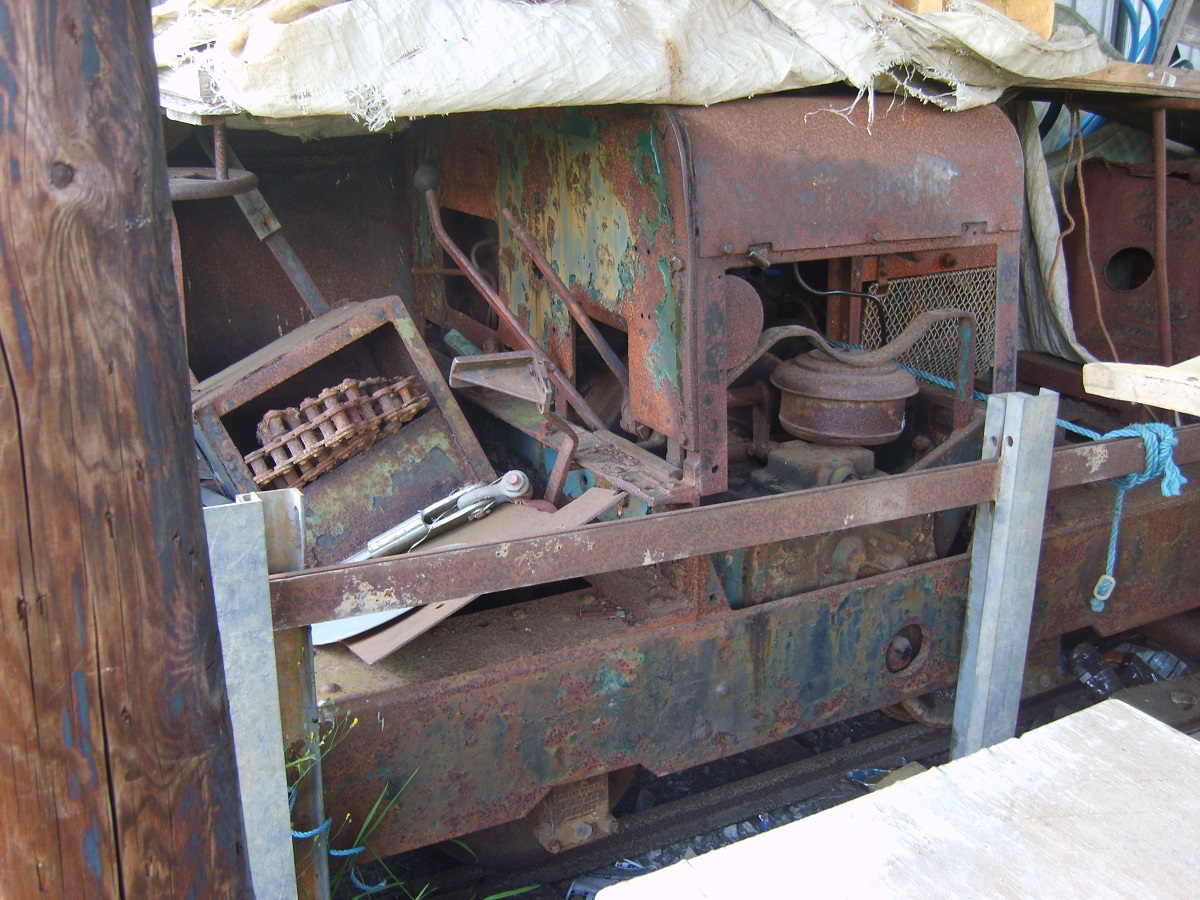
20/28hp Motor Rail(No.8565 built 1940)
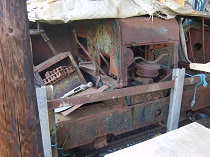
Originally built for the War Office, this loco had latterly been used on the Ffestiniog Railway to assist with the rerouting of the line as part of the deviation project in the 1980s.
It had been purchased from the Ffestiniog Railway and moved to Cambridgeshire but had laid in storage since 2004. In the 1980s it had been parially rebuilt with a fuel tank and radiator from a 40s Motor Rail, so looks slightly different than the original 20/28hp Motor Rail.
|
|
|
|
Date: August 2012
|
Date: September 2012
|
Date: September 2012
|
|
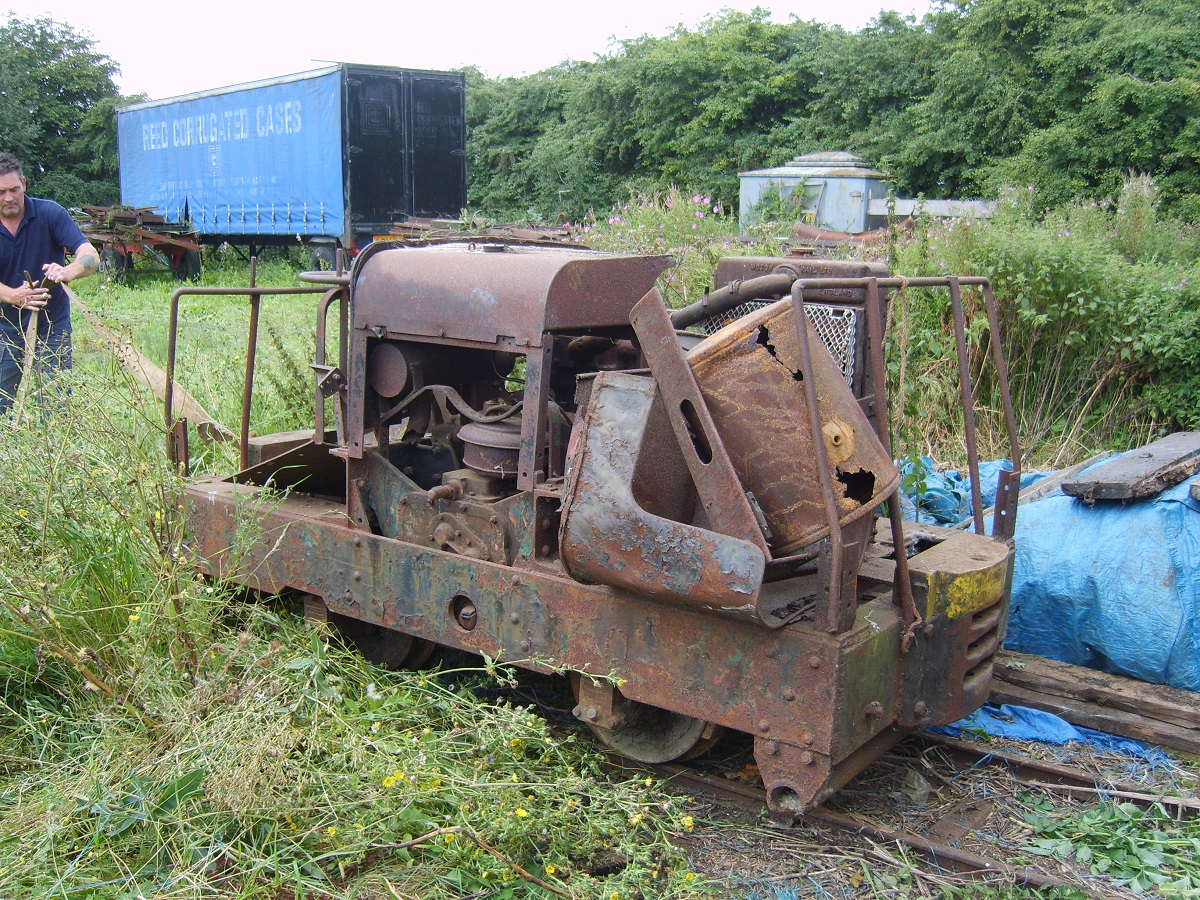
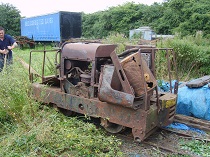
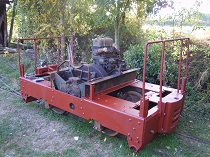
Since moving to a location near Cambridge in 2004, Jane had been resting in a barn mostly undercover for approx 8 years. The original plans of the owner for the loco never coming to fruition.
|
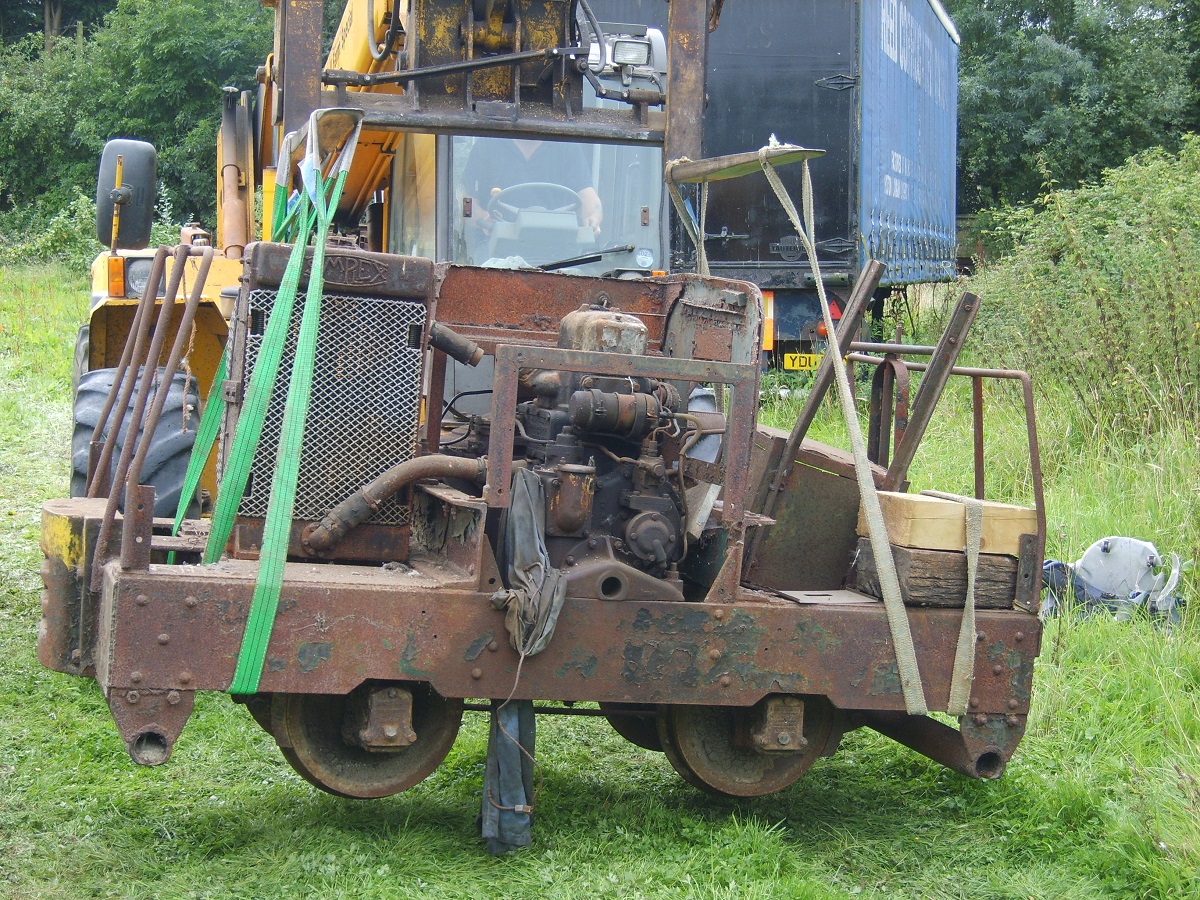
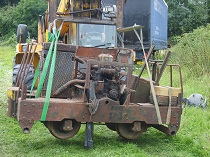
In 2012 agreement was finally reached to purchase the loco and in the September the loco was pulled out of the barn by a Loadall prior to loading up for transport back to the Springfield Agricultural Railway.
|
Jane was gently moved to the waiting transport by the loadall and then secured in place for the journey.
|
|
|
|
|
Date: August 2014
|
Date: June 2015
|
Date: June 2015
|
|
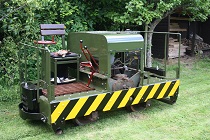
In places there seemed to be more rust than metal, and various items had to be obtained, such as fuel tank, drive chains, spring buffers, radiator parts, and more. Most of the pipework and parts of the bodywork needed fabricating from new because the original parts were beyond salvaging. By August 2014 the restoration had only reached the stage shown above.
|
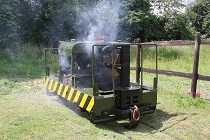
Finally by June 2015 the loco was ready to be turned over for the first time, and was rolled out of the workshop for a few photographs. After being pushed up and down the track a few times, the Dorman engine finally fired up, and was driven for the first time since being used on the Ffestiniog Railway since approx 1984.
|
Once working, it highlighted another raft of snagging jobs to deal with, not least for the original oil filter, which with oil pressure, now resembled a leaky sieve rather than a filter. This was swapped out for a new filter and pipework. The copious clouds of white exhaust suggests that the pistons may need new rings, and the clutch still needed work. The loco was used occasionally, but on the 2nd December 2016 it left the site for a new home in Lincolnshire.
|
Wickham Railcar
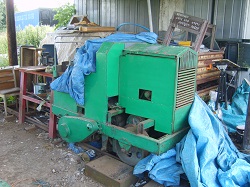
This vehicle started life as a Wickham Target trolley, works number 3414.
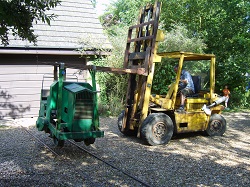
After quite a chequered history including conversion to a diesel mechanical railcar in 1992, it was purchased with the Simplex from and had laid in storage since 2004.
|
|
|
|
Date: August 2012
|
Date: September 2012
|
Date: September 2012
|
|
Where the Wickham had been stored, covered up in a barn in Cambridgeshire for many years.
|
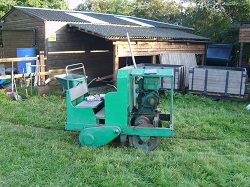
Arriving at Springfield on the 4th September 2012.
|
It took very little coaxing to get the small lister engine started. However, it was very underpowered and the loco was unable to pull any wagons, so the decision was taken to sell it on. It left the site for it's new home on the 7th December 2012.
|
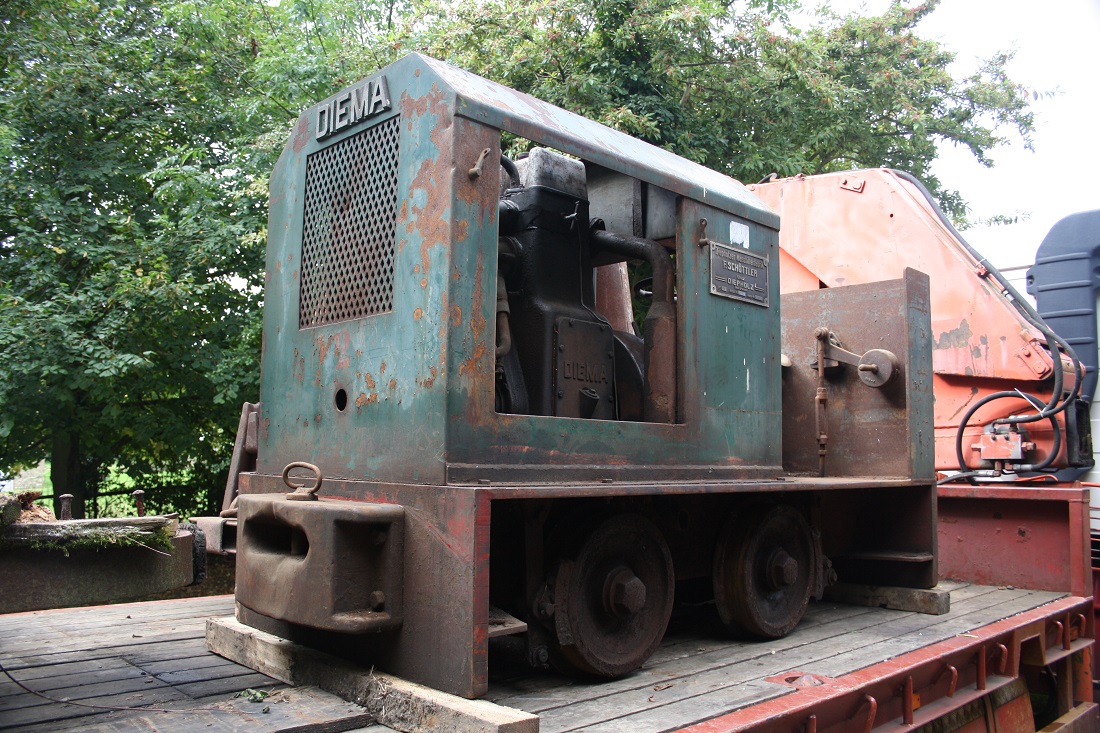
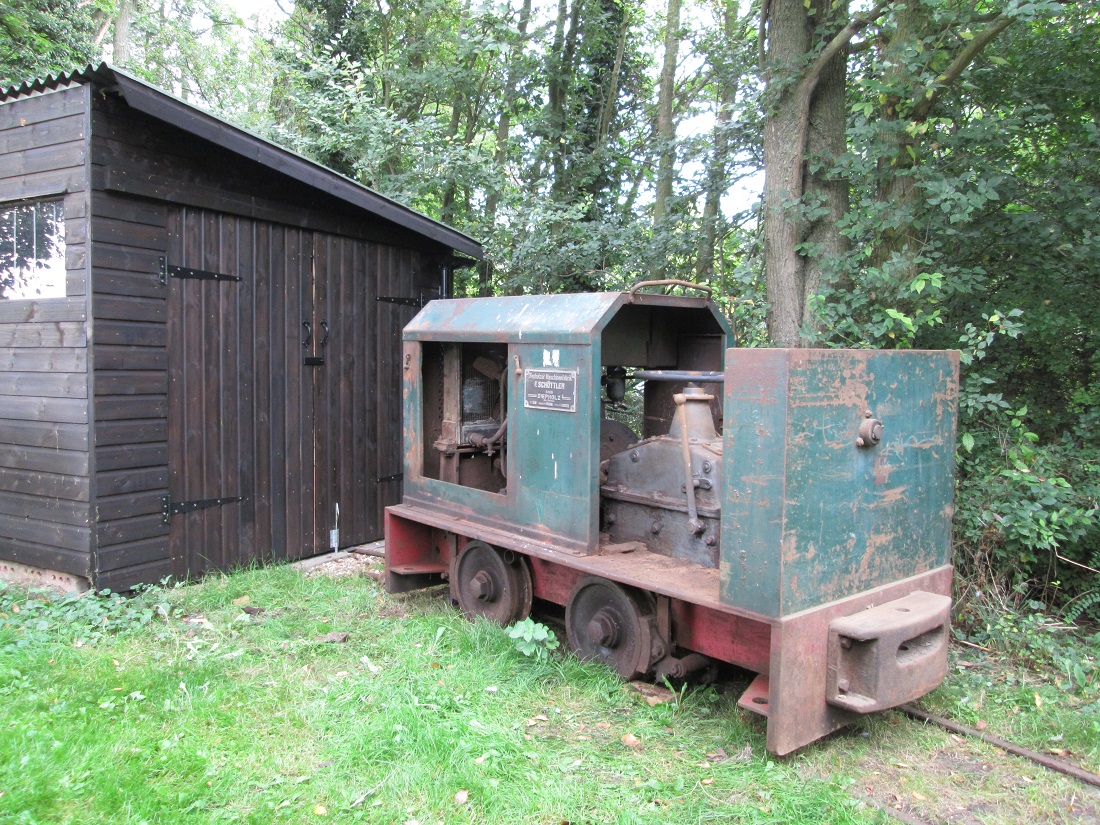
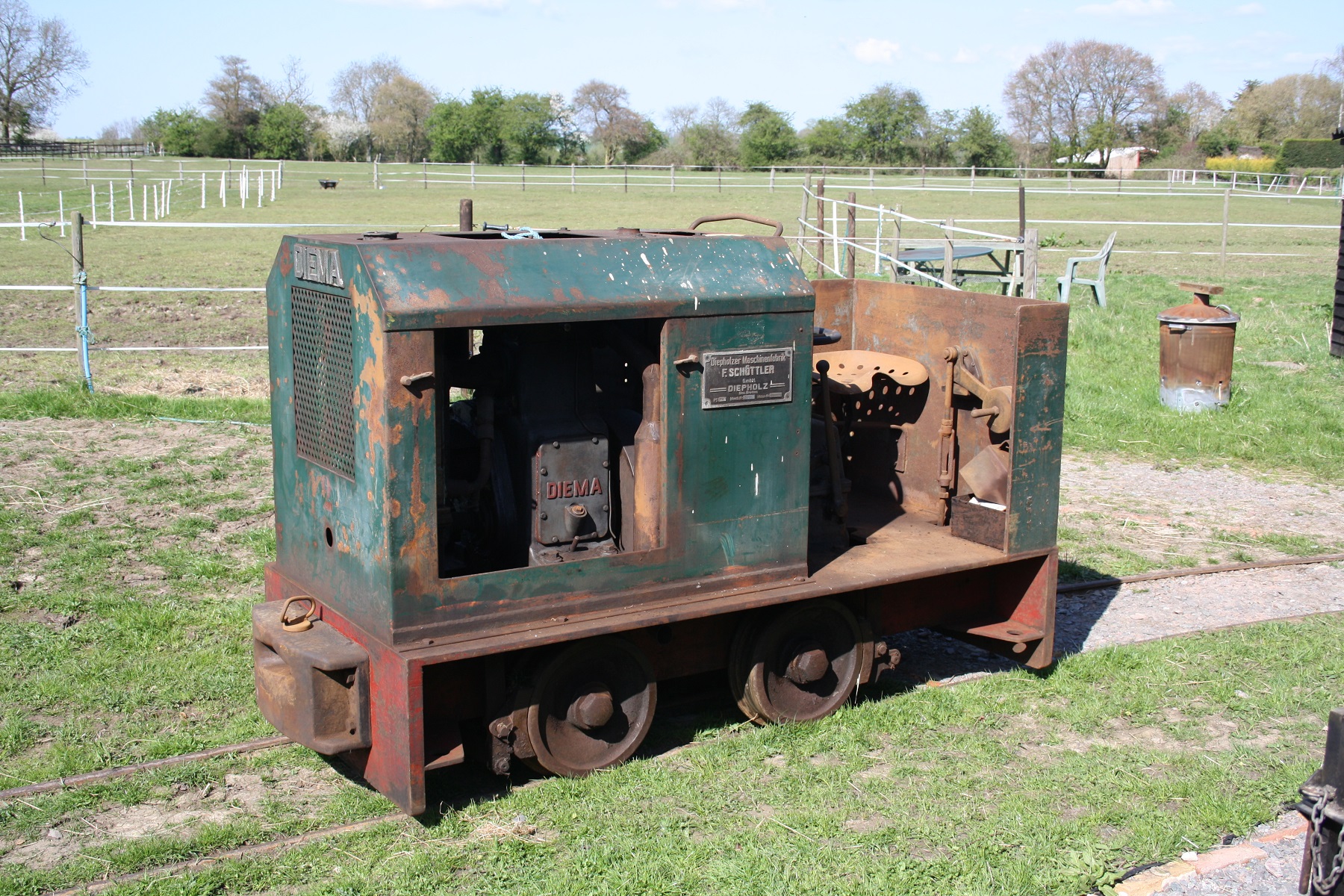
Diema DS12(No.1553) build date 1953
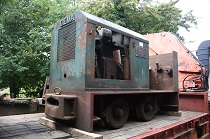
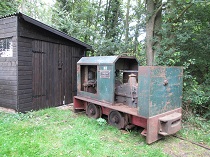
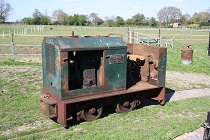
This loco was ordered from Diema by the firm of Peeters en Van Mechelen, Boom, a brickworks in Belgium. By Oct 2010 the loco was in the hands of Moyersoen auctioneers with the loco having been stored for a number of years undrcover out of use, and following the auction was imported to the UK. It was purchased for use at Springfield in September 2014.
|
|
|
|
Date: September 2014
|
Date: September 2014
|
Date: April 2015
|
|
Arriving by Hiab lorry from Essex in Sept 2014 it was being prepared for unloading here.
|
These locos can still be seen in industrial service at a number of locations in Germany in 2015, so finally finding an example in relatively good condition, especially with the original single cylinder Diema engine, was very fortunate.
|
No cosmetic restoration or repainting is planned to leave it in as much original condition as possible. After various adjustments around the area of the fuel pump, a new core for the radiator, and patching up the fuel tank, the loco will now push start but will still not respond to the starting handle.
|
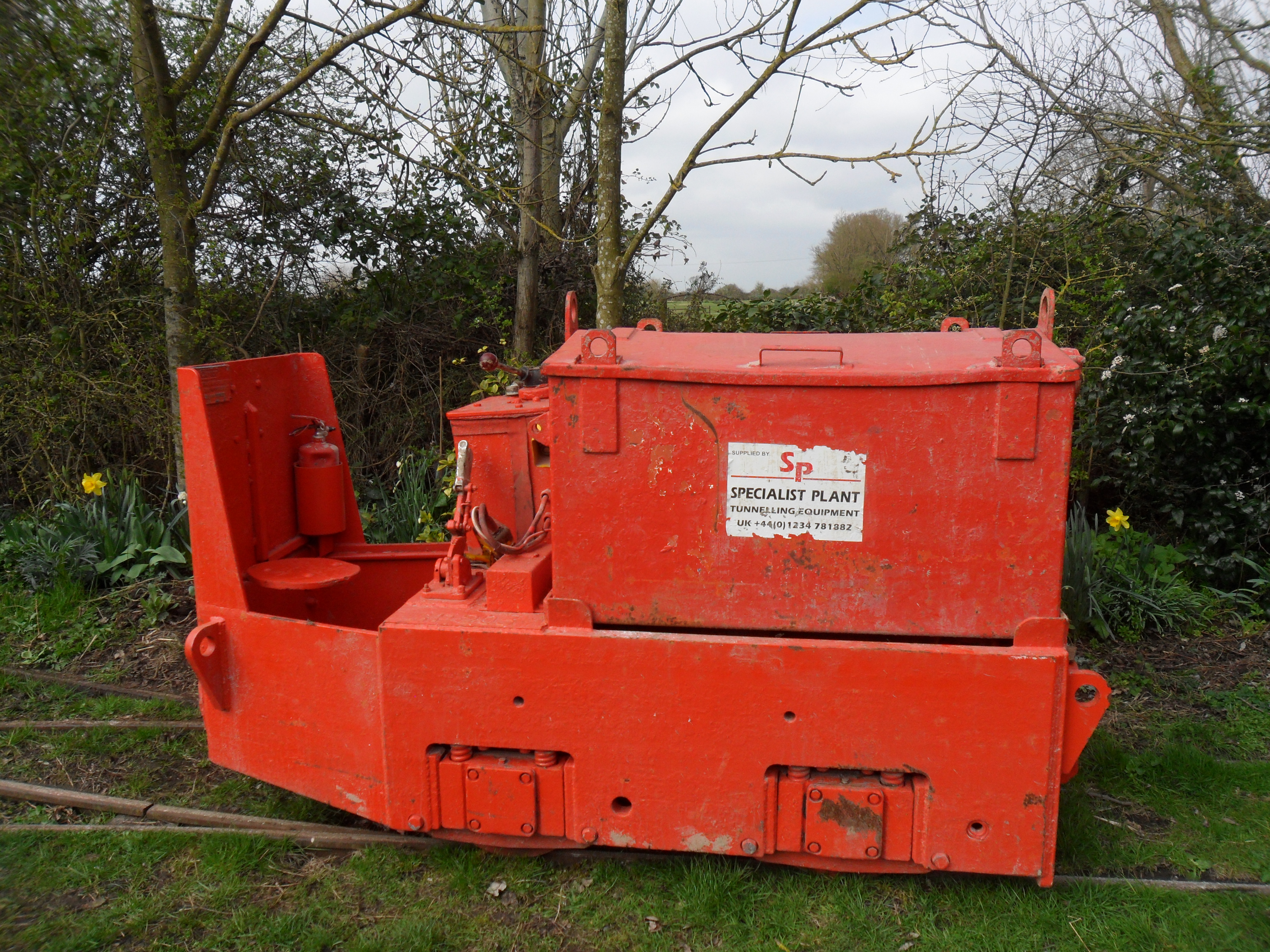
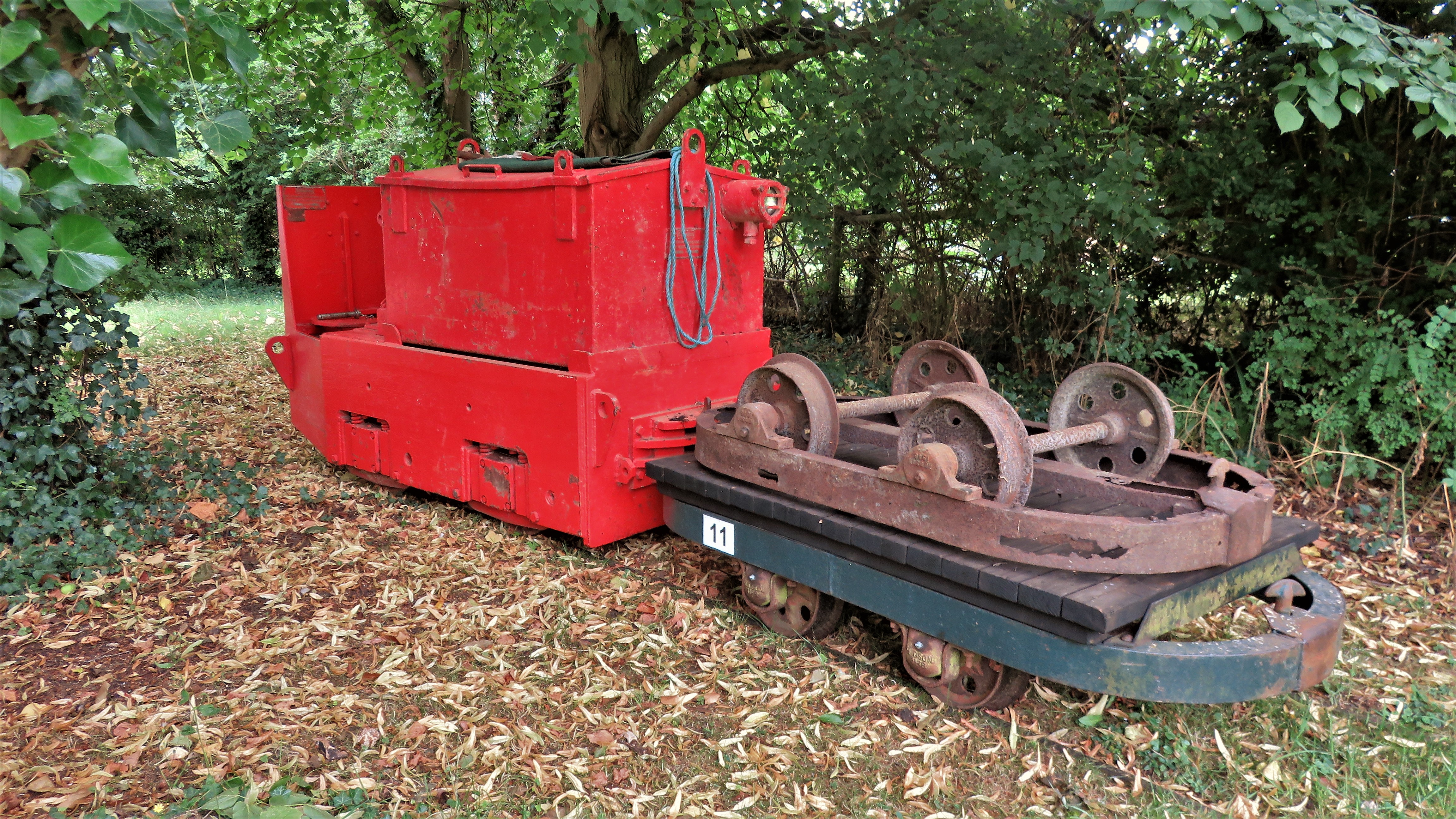
Clayton 4wBE B0176
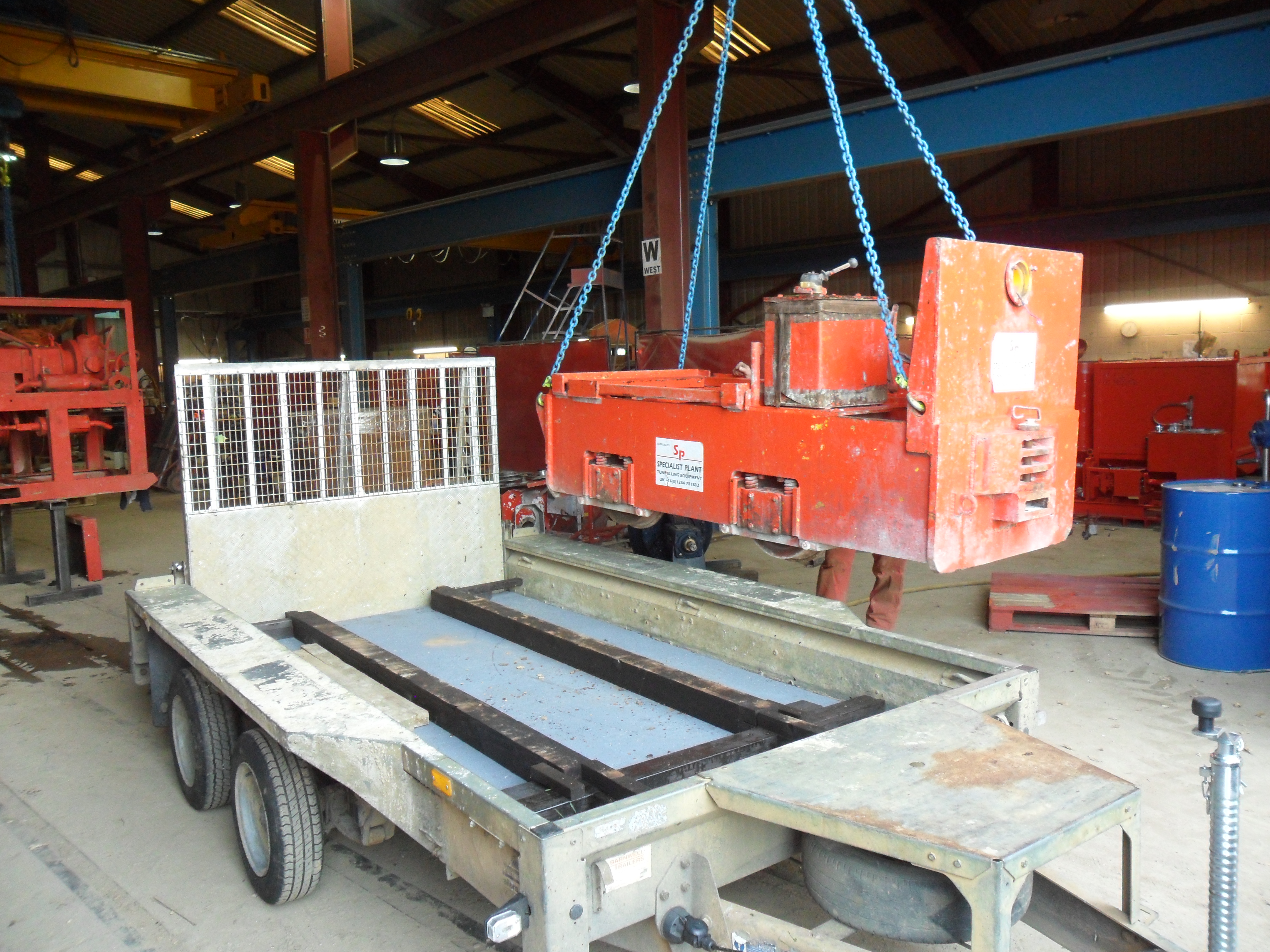
The number of contracts requiriing the 2ft gauge Clayton locos had reduced over the years and the firm of Specialist Plant, Wellingborough, had decided to sell 4 of their older locos.
|
|
|
|
Date: December 2016
|
Date: December 2016
|
Date: July 2020
|
|
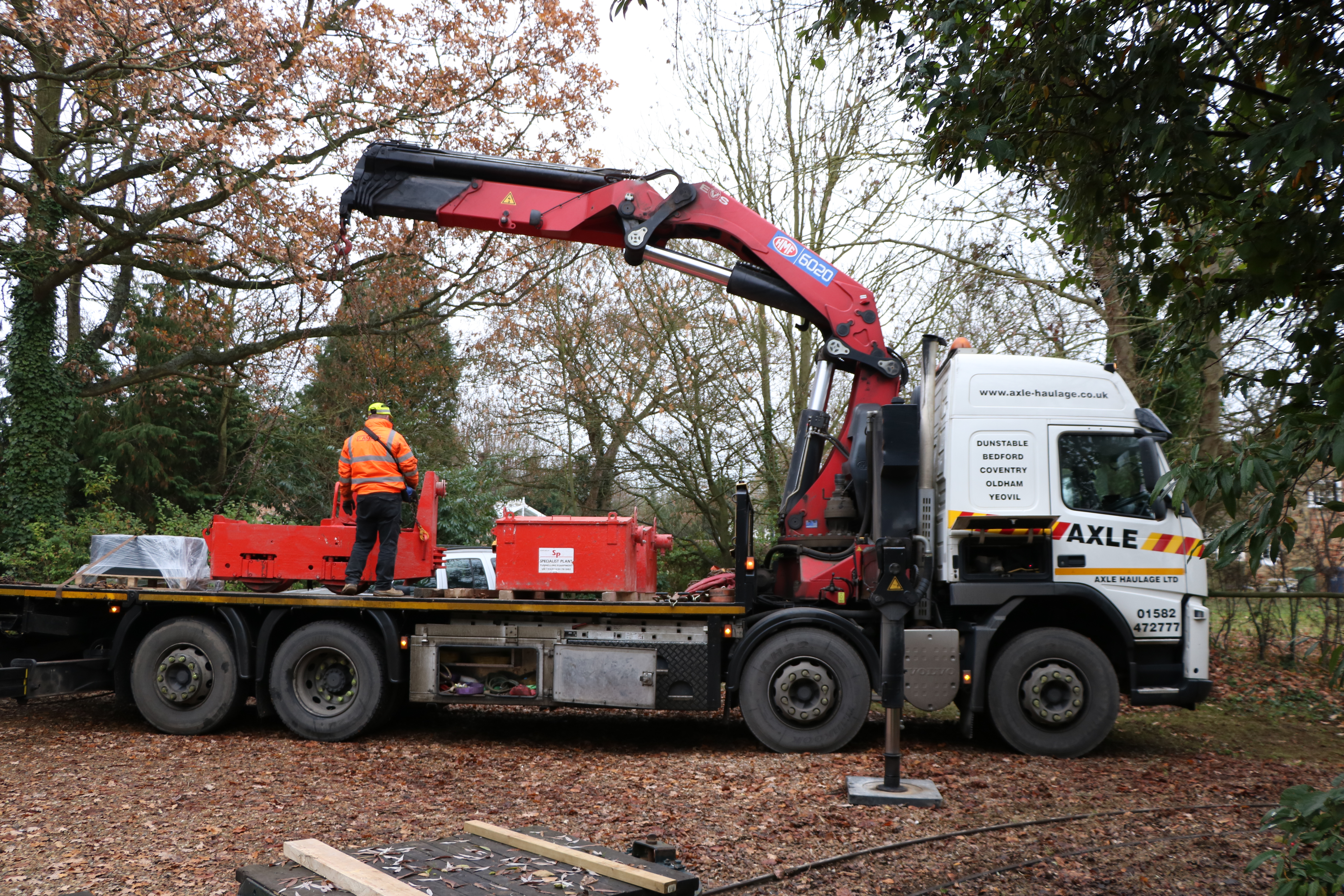
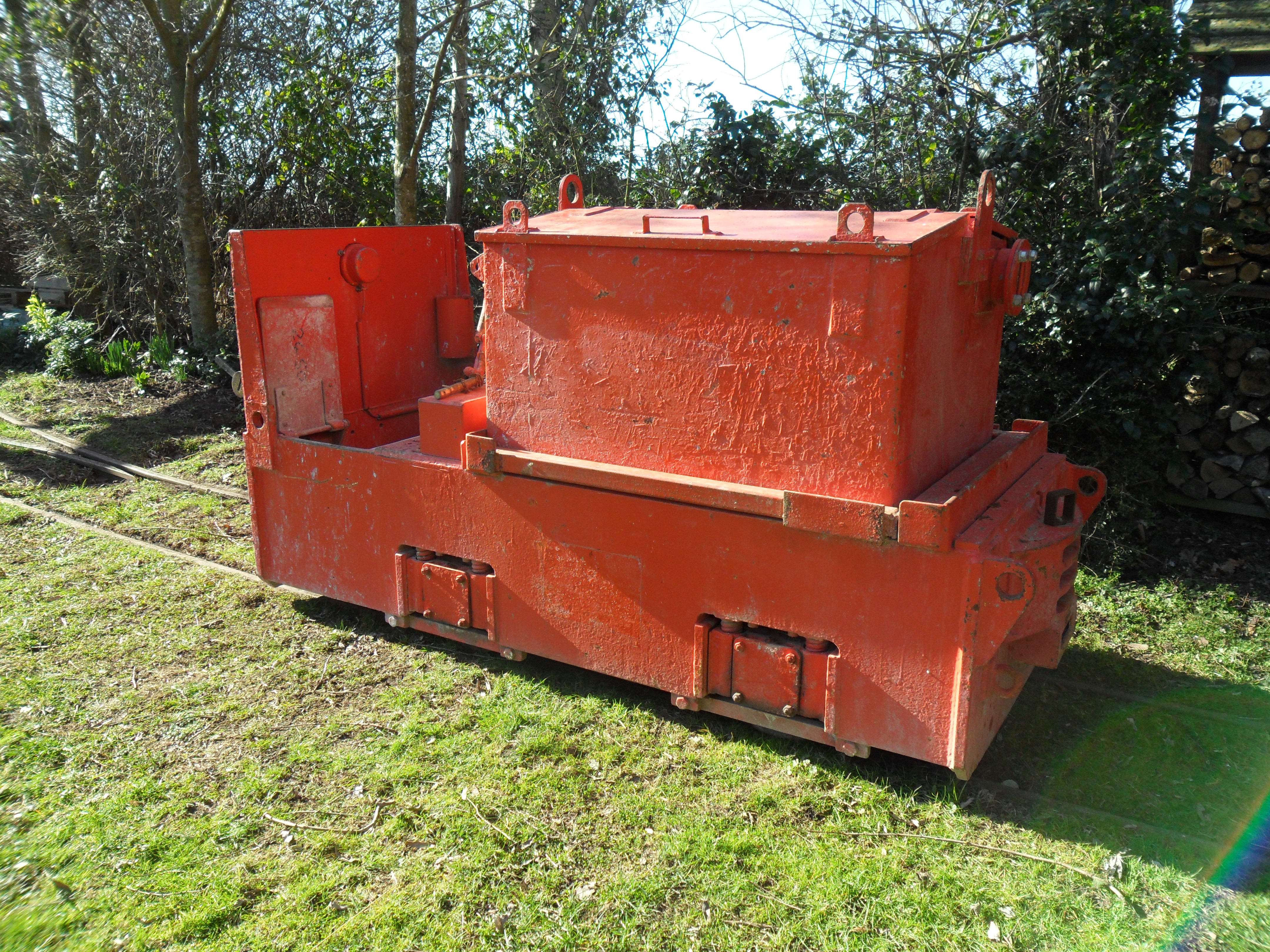
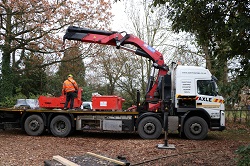
Arriving by Hiab lorry on the 2md December 2016. Two battery boxes complete with cells had been included in the deal
|
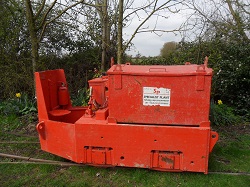
Although the loco was in working order, the batteries in both boxes had not been used for a few years and the firm had been unable to charge them.
|
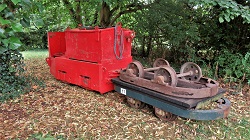
Following many weeks of work, charging small groups of cells at a time, the batteries slowly came back to life, and now the loco is a regular performer on the railway.
|
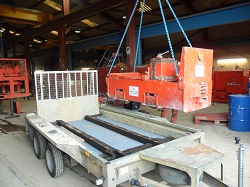
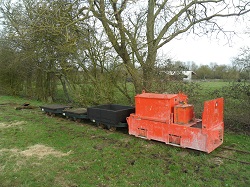
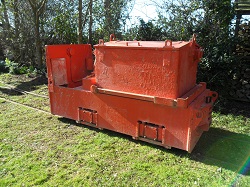
Clayton 3.5T 4wBE B3825
A second battery loco obtained from Specialist Plant.
|
|
|
|
Date: November 2017
|
Date: March 2018
|
Date: February 2018
|
|
The loco being loaded into a trailer at Specialist Plant on the 17th November 2017.
|
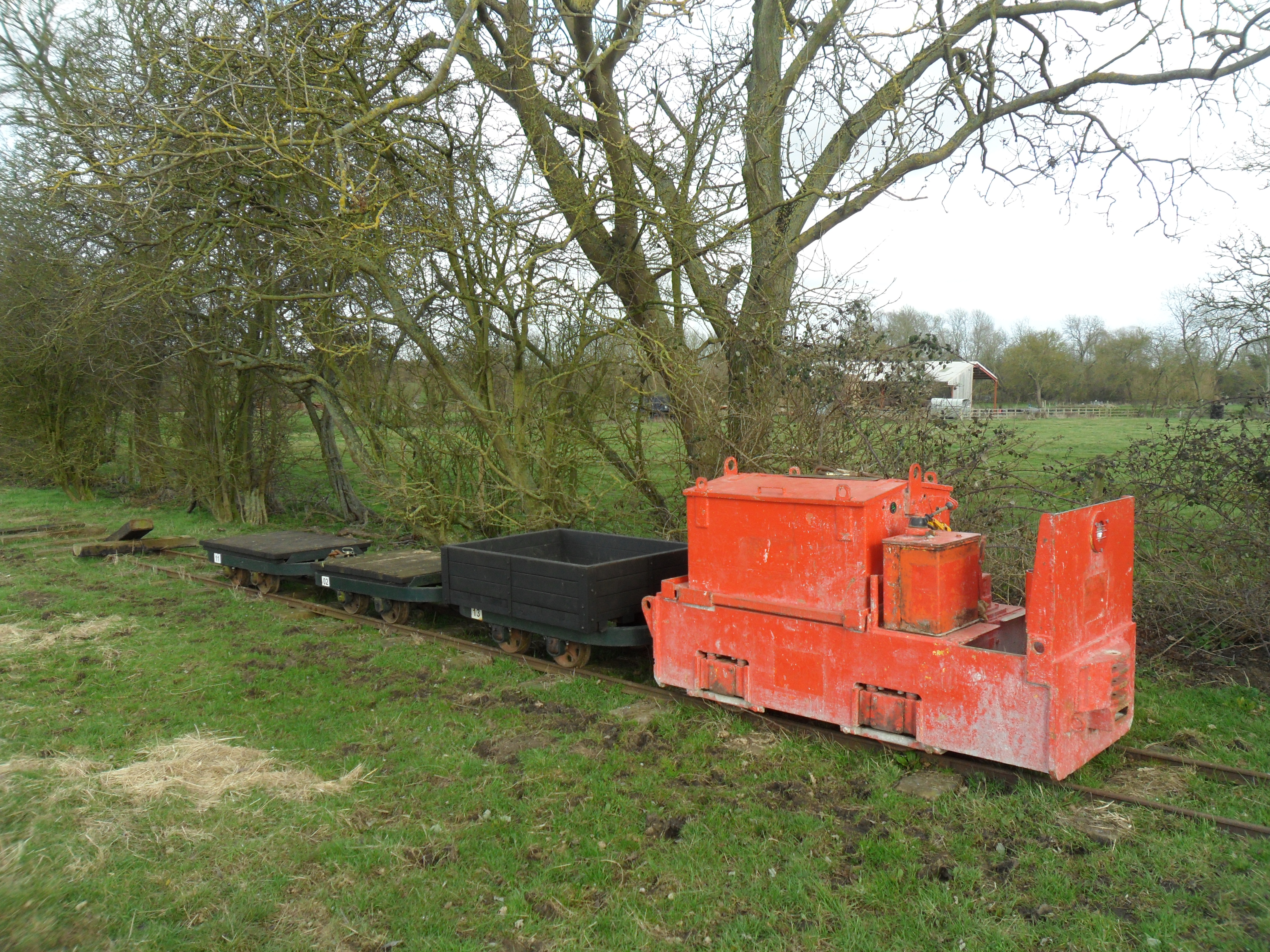
This loco used the battery box obtained spare with the first Clayton loco, and the cells were brought back to life sufficiently to allow the loco to operate.
|
With a total of 3 operating battery locos, it was a challenge to keep all three charged up and used to ensure the batteries were mainted in good condition, so this second Clayton loco was sold and on 31st May 2018 went to it's new home in Gloucester
|
© Steve Thomason 2020
| Industrial Narrow Gauge Railways
|